
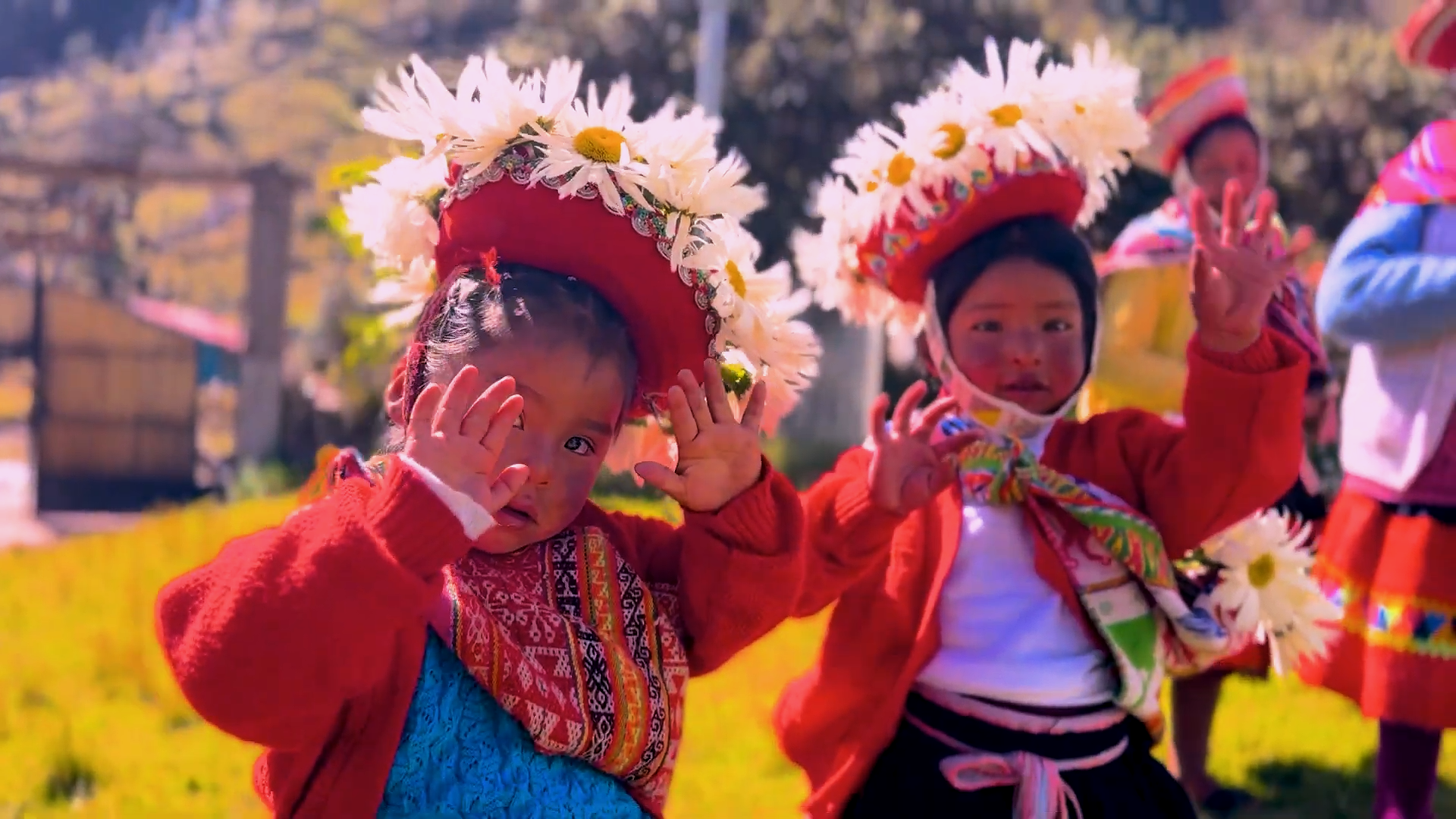
TAMBOS EDUCATIVOS
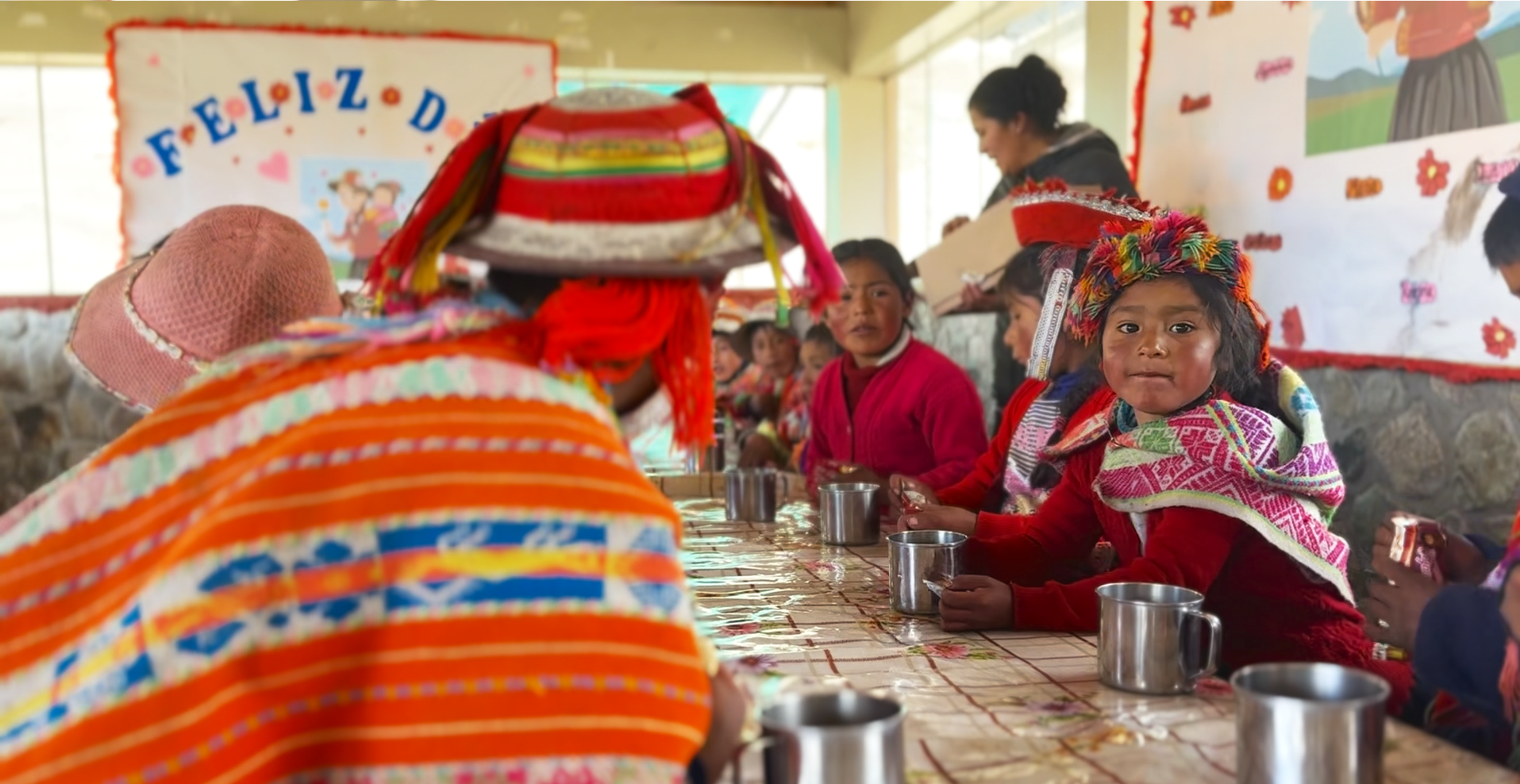
2 Nutriments Foundation and PIENSA™ join forces to create Educational Farms, the purpose of which is to provide children who, for various reasons, cannot access education with an educational platform so they can develop their skills and competencies to face the future they desire, without having to travel to other cities, since they only need the internet to access this innovative platform, which is available 24 hours a day.
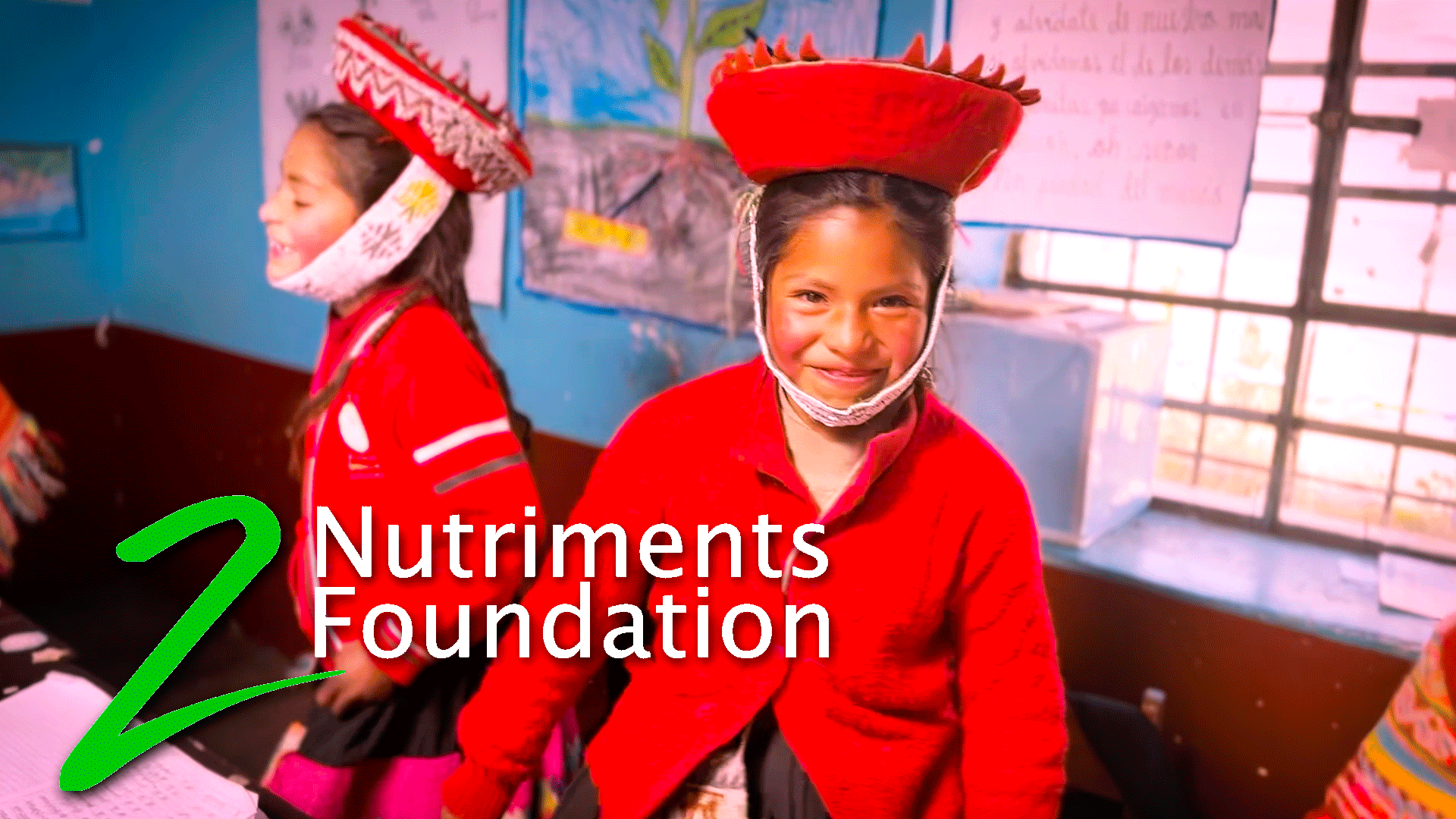

PIENSA™ is an innovative private international support platform for families who choose a teaching methodology such as homeschooling or independent learning and want to ensure their children achieve the life skills required by the Ministry of Education. The PIENSA™ model seeks to spark students' curiosity and desire to learn with educational materials presented in a fun and educational way.
What is Piensa?

Previously, children from Patacancha had to travel to Cusco and spend a week away from their families to access education.
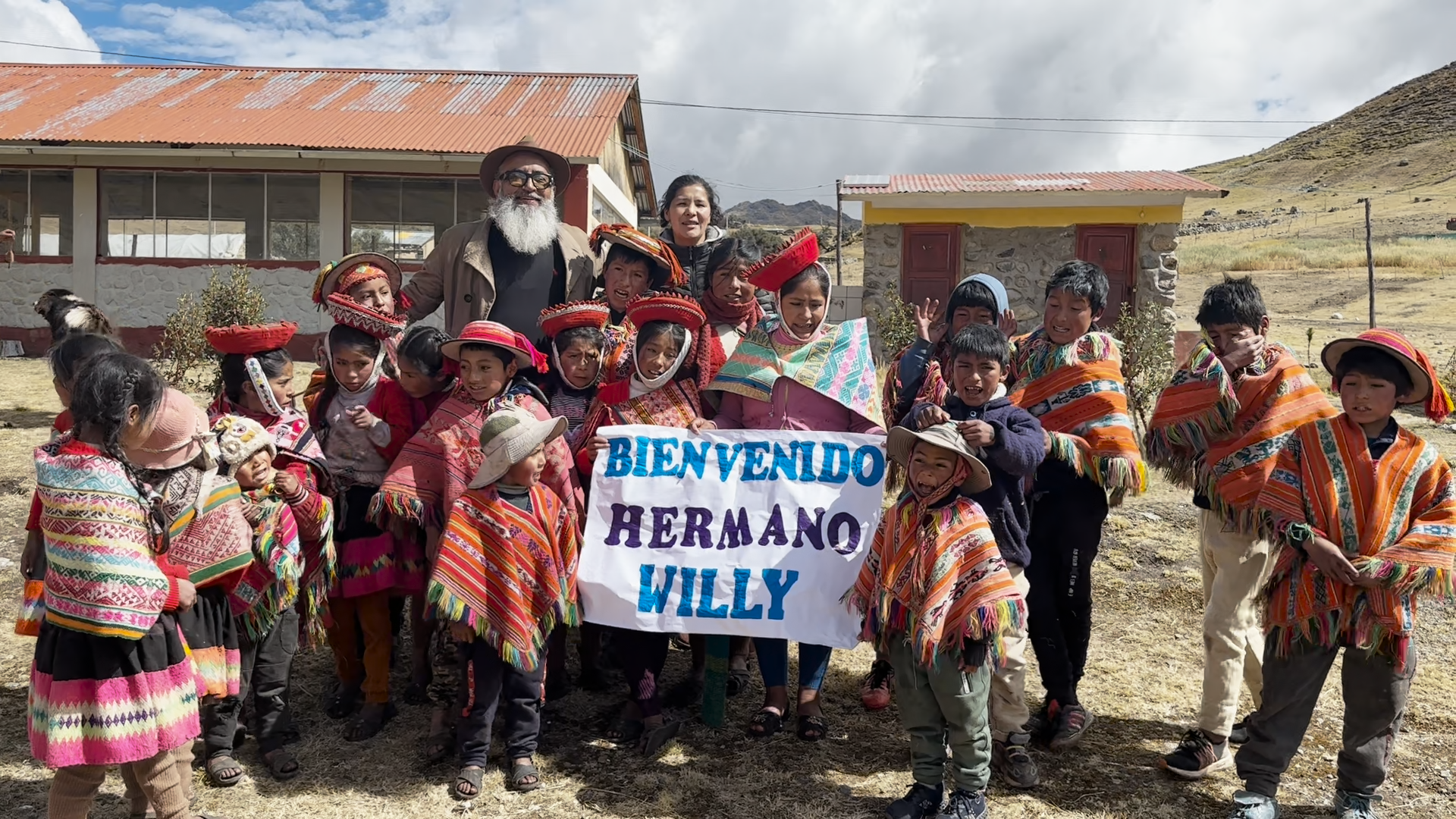
As a Foundation, we believe that for education to be effective for children and young people, it must be supported by parents. That's why, together with Piensa Homeschool, we opened the first "Educational Nursery" in Patacancha, so that children can receive an education in the safety of their community.
2 Nutriments Foundation and Piensa Homeschool have joined forces

Make a donation!
¡Hazte voluntario!


"There is no school like a decent home, and no teacher like a virtuous parent."
— Mahatma Gandhi

A WORLD WHERE EVERYONE REACHES THEIR FULL POTENTIAL

"The first task of education is to stir life, but leave it free to develop."
— María Montessori
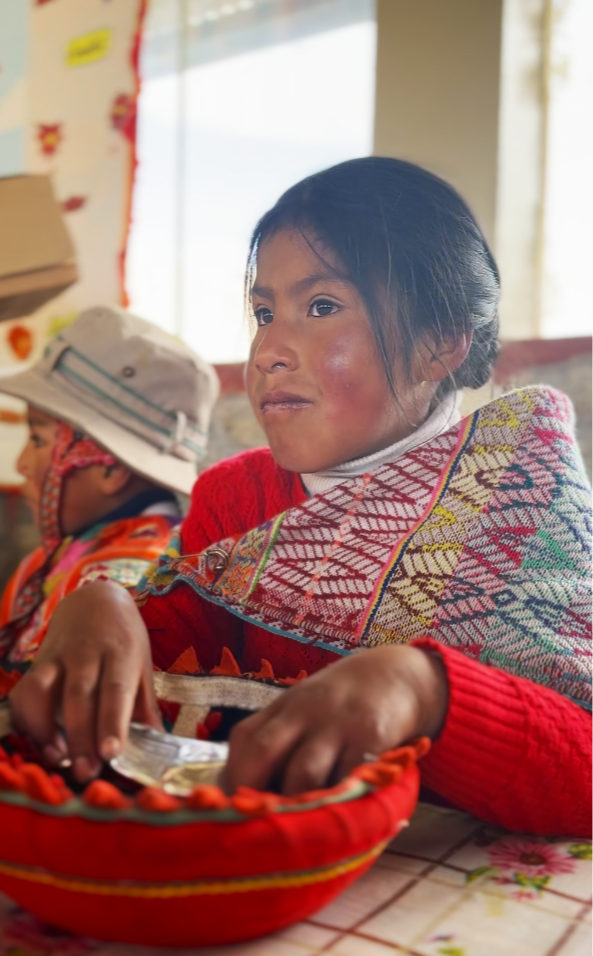
Children educated with Piensa develop their skills more
The difference lies in the brain. In applied knowledge, homeschooled children outperform traditional school children by 72%.
Students learn in different ways, and Piensa has developed a neuroeducational platform that allows children and young people to approach content from their own preferences or natural thinking styles.

Current education experienced its heyday alongside the Industrial Revolution and emerged as a means of providing skilled labor for production lines and administrative positions that require skills essentially related to the left-brain thinking style.
This creates a source of deviation from the natural thinking of those who are more oriented toward social skills over technical skills or those who are oriented toward ideas over implementation. The brain is divided into four main areas or quadrants, and thinking style is defined by the particular distribution of neurotransmitters that each individual develops. This is a physiological factor developed from embryonic stages that will define how individuals interpret, learn, and relate to their environment. It is worth noting that this factor persists throughout life.
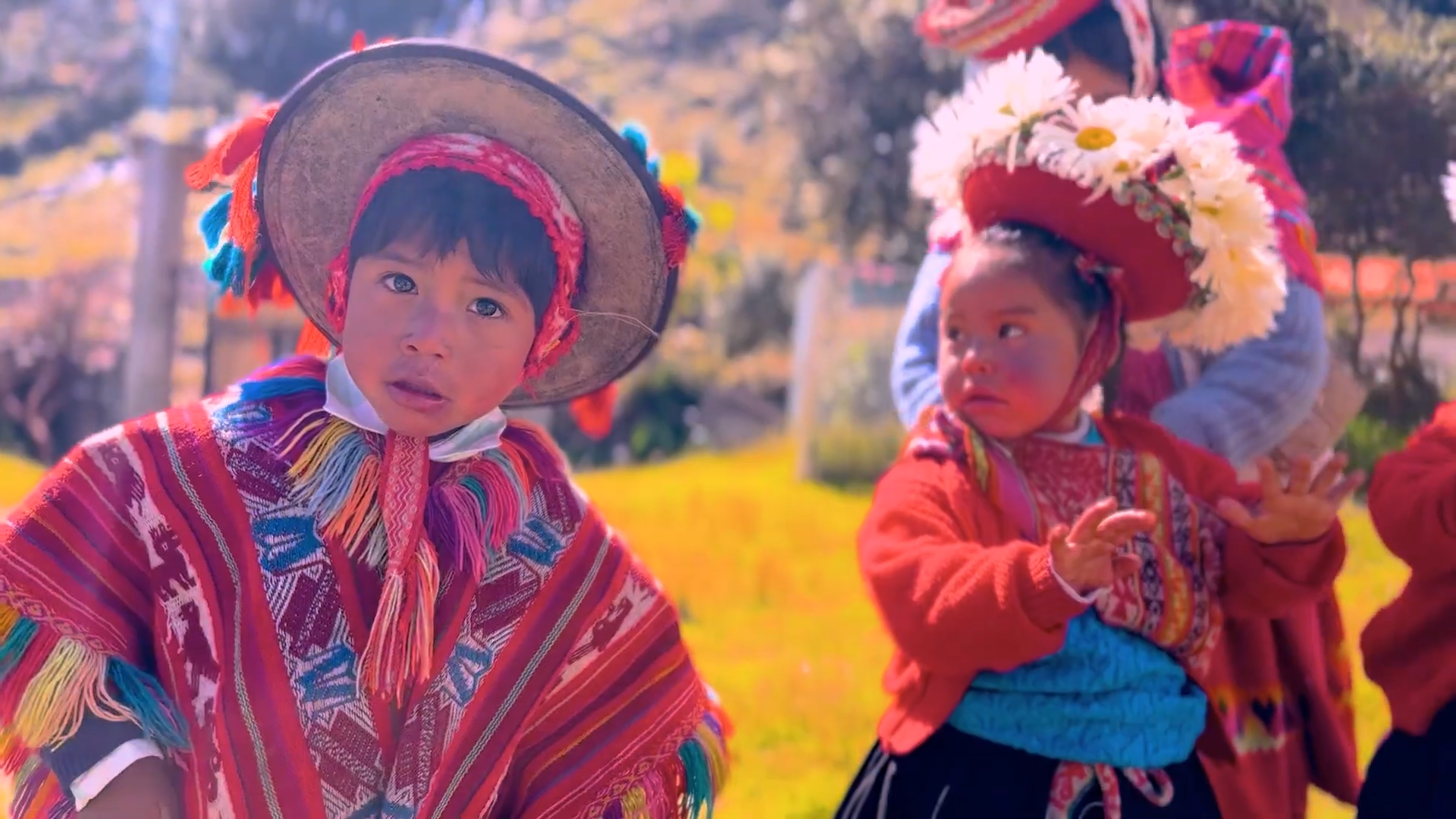
Thus, Right Fronters are creative, risk-takers, and innovative. Left Fronters are mathematicians, financiers, scientists, negotiators, and logicians. Left Baselines are detail-oriented, traditional, planners, and routine-oriented. And finally, Right Baselines are harmonizers, excellent at relationships, nurturing, and establishing belonging. Everyone learns differently, and Piensa strives to provide content for every type of learner.
Pedagogical approach
Piensa follows the contributions of pedagogical constructivism, educational humanism, neuroscience, and emotional education. Furthermore, it considers the importance of education, which is why it contributes to the Sustainable Development Goals proposed by world leaders to eradicate poverty, protect the planet, and ensure prosperity for all. Each goal has specific targets that must be achieved by countries around the world within the next 15 years.
In particular, we are committed to achieving the Goal of: Ensuring inclusive and equitable quality education and promoting lifelong learning opportunities for all. Pedagogical constructivism considers that students develop and construct their own knowledge based on their prior experiences and the interactions they establish with the teacher, their peers, and their environment.
Humanist
The core is the integral development of the individual so that they regain their humanity. As Carl Rogers pointed out, education must be centered on the student, who possesses a natural desire to learn, and that: "Only that which leaves a mark on a person and becomes part of their cognitive, cultural, emotional, spiritual, and existential life is of any use."
Contact Us
Av. Jorge Basadre 1066
San Isidro
Perú
Verónica Leddihn - CEO
Phone
(+51) 936 645 833